
NEUROVIRTUS SIGNATURE MODULE
25 HOURS
LIMITED ENROLLMENT
Foundational Concepts & Applications in Clinical Neuroscience
The Neurological Blueprint Behind Every Treatment
June 19-26, 2026 (Rome, Italy)
Master the Principles That Govern Human Function
Where neuroscience becomes clinically actionable — and treatments become
neurologically precise.
Every practitioner can touch tissue. Only a select few understand how that touch
reshapes the brain. Module 1 is the gateway into the NeuroVirtus method — a rigorous,
elegant, and clinically transformative exploration of how sensory input, neuroplasticity,
hemisphericity, and cortical organization determine every patient outcome.
This foundational module provides the intellectual architecture necessary to transcend
conventional treatment paradigms. You’ll develop a sophisticated understanding
of the neurological mechanisms underlying therapeutic touch, enabling you to design
interventions that directly target specific neural pathways and cortical regions.
Through intensive study of sensory integration hierarchies, synaptic plasticity, and
hemispheric specialization, you’ll gain the diagnostic precision and treatment
sophistication that distinguishes exceptional clinicians from competent practitioners.
The NeuroVirtus Promise
This module gives you the intellectual and clinical
framework to understand why your sensory interventions work, how to amplify their effects, and what neurological systems you are influencing with every treatment.
Why This Module Transforms Clinical Practice
You will learn to see beyond joints and muscles and begin interpreting patient presentations through the lens of sensory integration,
neuroplasticity, and hemispheric function. This fundamental shift transforms clinical outcomes, diagnostic accuracy, and treatment precision in ways
that traditional manual therapy education simply cannot achieve.
Neurological Precision
Move beyond symptomatic treatment to
target the underlying neural mechanisms
driving patient dysfunction
Enhanced Diagnostics
Develop the ability to identify CNS and PNS
patterns that conventional assessment
frameworks miss entirely
Amplified Outcomes
Leverage neuroplasticity principles to
create lasting changes rather than
temporary symptomatic relief
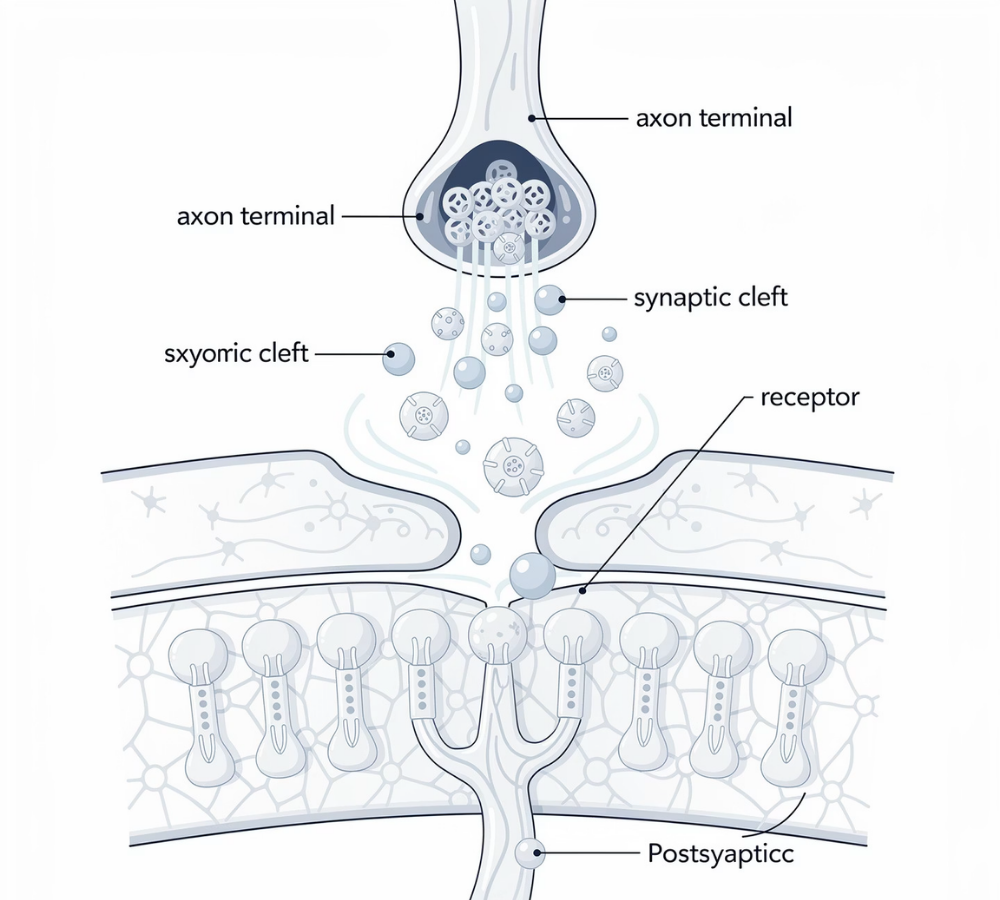
Core Neurophysiology: The Foundation of Clinical Excellence
Understanding the fundamental mechanisms of neuronal signaling,
synaptic transmission, and plasticity is essential for any clinician seeking
to work with precision at the neurological level. This section provides a
rigorous exploration of the cellular and molecular processes that
underlie all nervous system function.
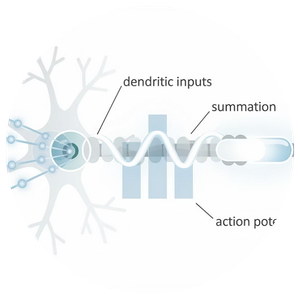
You’ll master the principles of spatial and temporal summation, receptor
dynamics, and action potential propagation. More importantly, you’ll
understand how long-term potentiation (LTP) and long-term depression
(LTD) create the foundation for therapeutic neuroplasticity.
The module also addresses immediate early gene activation, metabolic
influences on neuronal function, and the nutritional factors that
modulate synaptic efficacy — knowledge that directly informs clinical
decision-making and patient recommendations.
1
2
3
Neuronal Signaling
Action potentials, summation principles,
and synaptic transmission mechanisms
Plasticity Mechanisms
LTP/LTD processes and immediate early
gene activation in clinical context
Metabolic Integration
Nutritional and metabolic influences on
neuronal function and recovery
Sensory Development & Integration Hierarchies
The nervous system develops in a predictable, hierarchical sequence that begins with vestibular input and progresses through proprioceptive,
auditory, chemical, and finally visual systems. Understanding this developmental cascade is fundamental to clinical reasoning and intervention design.
Early sensory experiences literally shape thalamocortical organization, establishing the neural architecture that will govern sensory processing, motor
control, and cognitive function throughout life. Disruptions in this developmental sequence create predictable patterns of dysfunction that manifest in clinical practice.
Middle: Sensory
Refinement
Visual refinement and
auditory-chemical
processing
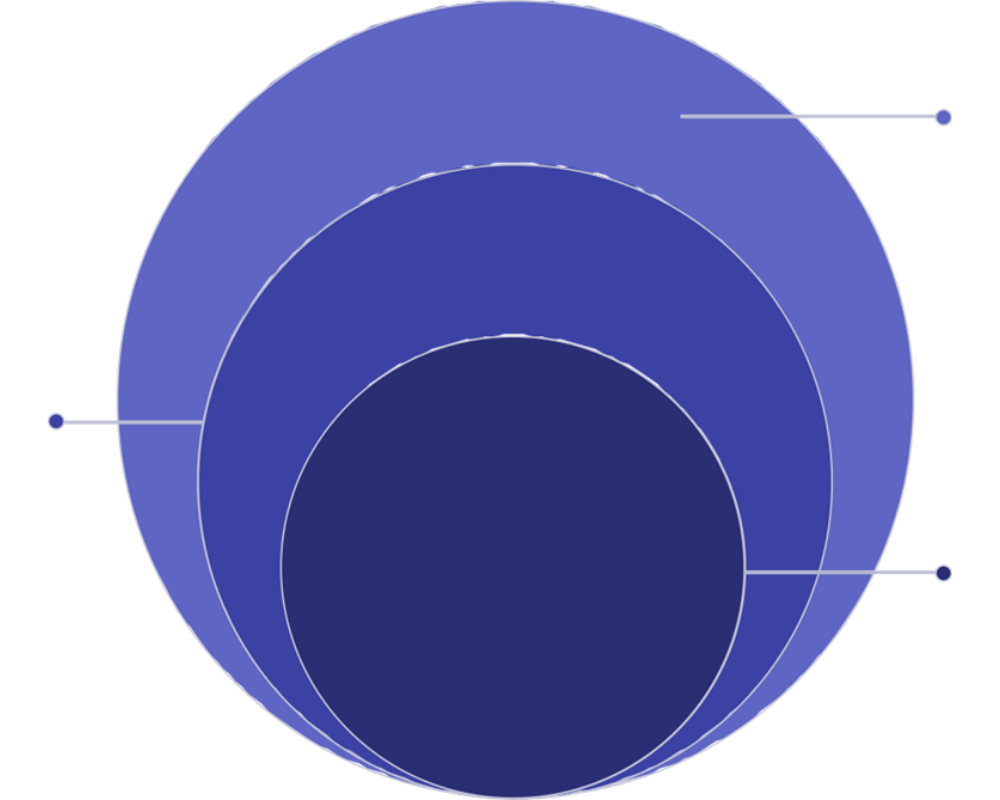
Base: Foundational
Systems
Vestibular foundation and
proprioceptive integration
Core: Multimodal
Integration
Unified sensory processing
for adaptive behavior
By understanding how sensory systems develop and integrate, you’ll gain the ability to identify which systems are under-functioning and design
targeted interventions that address root neurological deficits rather than compensatory patterns.
Hemisphericity & Functional Connectivity
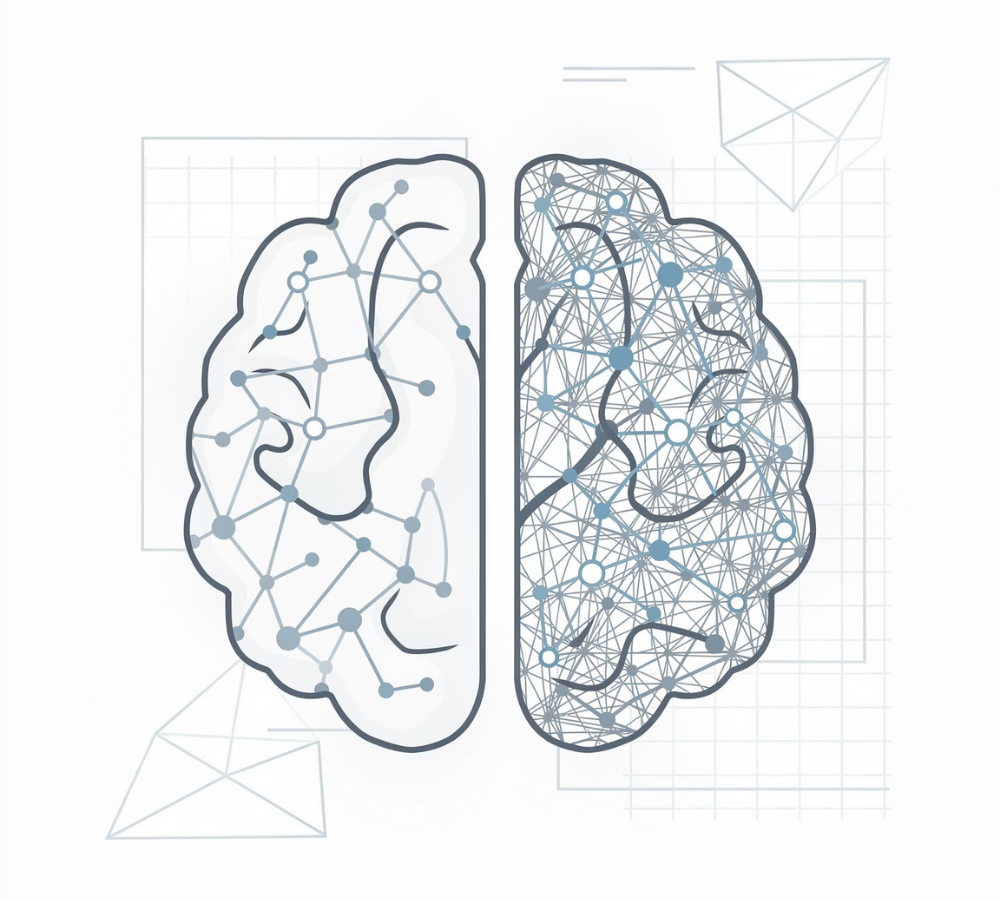
The two cerebral hemispheres are not mirror images — they are
functionally distinct, developmentally asymmetric, and constantly
engaged in reciprocal inhibition. Understanding hemispheric
specialization and interhemispheric dynamics is essential for
sophisticated clinical reasoning.
This section explores the principles of interhemispheric inhibition,
longitudinal lesion localization, and cortical activation patterns. You’ll
learn to identify which hemisphere is under-functioning based on
clinical presentation, and how to design interventions that preferentially
activate specific hemispheres.
The clinical applications are profound: musculoskeletal complaints,
postural asymmetries, movement disorders, and even chronic pain
patterns can be traced to hemispheric imbalances that respond to
targeted neurological activation.

Hemispheric Specialization
Distinct functional roles and processing
preferences
Interhemispheric Inhibition
Reciprocal regulation and competitive
dynamics
Lesion Localization
Clinical mapping to neuroanatomical regions
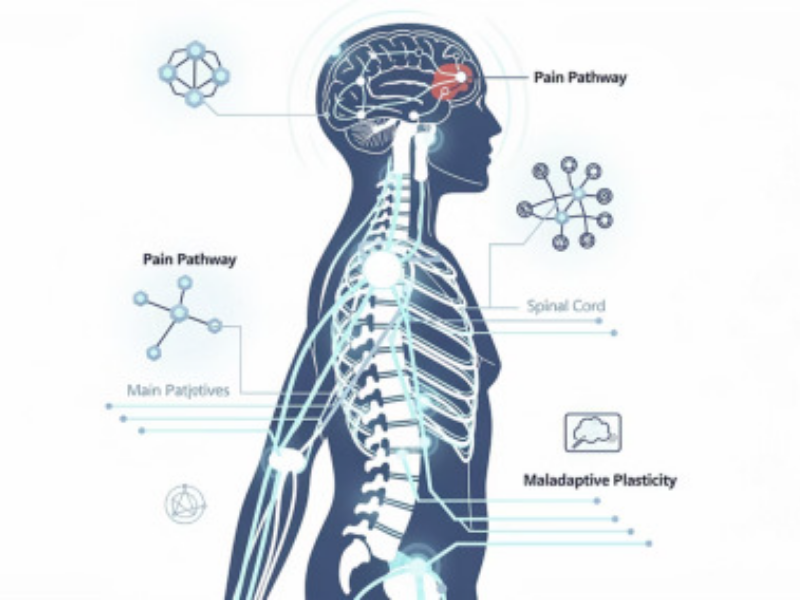
Deafferentation & Maladaptive Plasticity
When sensory input is reduced or eliminated — through injury, immobilization, or
chronic dysfunction — the nervous system undergoes predictable reorganization. This
deafferentation triggers maladaptive plasticity that can perpetuate pain, alter
movement patterns, and create persistent dysfunction even after tissue healing is
complete.
Understanding the mechanisms of sensory deprivation and cortical reorganization
provides a neurological explanation for chronic pain syndromes, movement disorders,
and treatment-resistant conditions. More importantly, it reveals therapeutic
opportunities that conventional approaches miss.
Sensory Deprivation
How reduced input
triggers cortical
reorganization and
functional decline
Cortical Remapping
Changes in somatotopic
organization following
deafferentation
Pain Mechanisms
Neurological basis of
chronic pain and central
sensitization
Therapeutic Reversal
Using targeted reafferentation to restore normal cortical organization
Clinical Competencies You Will Develop
Neurological Foundation
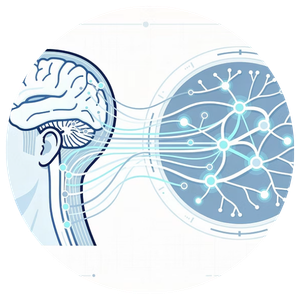
Deep understanding of neuronal function, synaptic transmission, and the molecular mechanisms of neuroplasticity that govern all therapeutic change
Summation Principles
Ability to interpret clinical findings through spatial and temporal summation, understanding how multiple inputs combine to drive neural responses
Functional Neuroanatomy
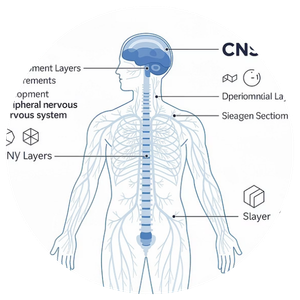
Comprehensive familiarity with CNS and PNS organization, embryological development, and the functional connectivity that defines clinical presentation
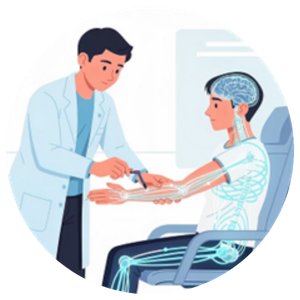
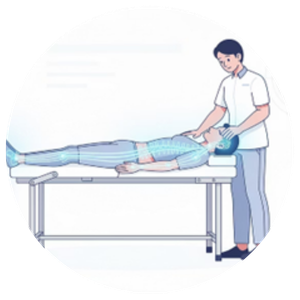
Hemispheric Analysis
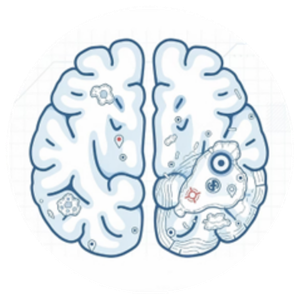
Working model of hemisphericity and longitudinal lesion localization that enables precise neurological diagnosis and targeted intervention
Assessment Skills
Hands-on proficiency in assessing sensory systems, cortical activation patterns, and functional asymmetries using neurologically informed examination
Integration Framework
Comprehensive framework for integrating manual therapies with targeted neurological activation to maximize therapeutic efficacy and durability
What You Will Be Able to Do
Upon completion of Module 1, you will possess a sophisticated neurological framework that fundamentally transforms how you assess, diagnose, and
treat patients. These are not theoretical concepts — they are immediately applicable clinical tools that will distinguish your practice.
01
Identify Under-Functioning CNS Regions
Use clinical examination and patient presentation to pinpoint specific
cortical and subcortical regions that are not receiving adequate input or activation
03
Use Sensory Stimulation as a Targeted Neurological Treatment
Design and deliver sensory interventions with the explicit goal of activating specific sensory pathways, cortical regions, and neural networks
02
Map Musculoskeletal Complaints to Neurological Origins
Trace pain patterns, movement dysfunctions, and postural asymmetries
back to their neurological source rather than treating compensatory tissue
changes
04
Build Neurophysiologically-Based Treatment Plans
Create comprehensive treatment strategies founded on neuroplasticity
principles, sensory integration hierarchies, and hemispheric balance
rather than symptom-chasing protocols
Begin Your NeuroVirtus Journey
Module 1 represents the foundation of the NeuroVirtus method — a comprehensive,
scientifically rigorous, and clinically transformative approach to manual therapy and
neurological rehabilitation. This is not an introduction to basic neuroscience. This is an
advanced exploration of how the nervous system functions, adapts, and responds to
intervention.
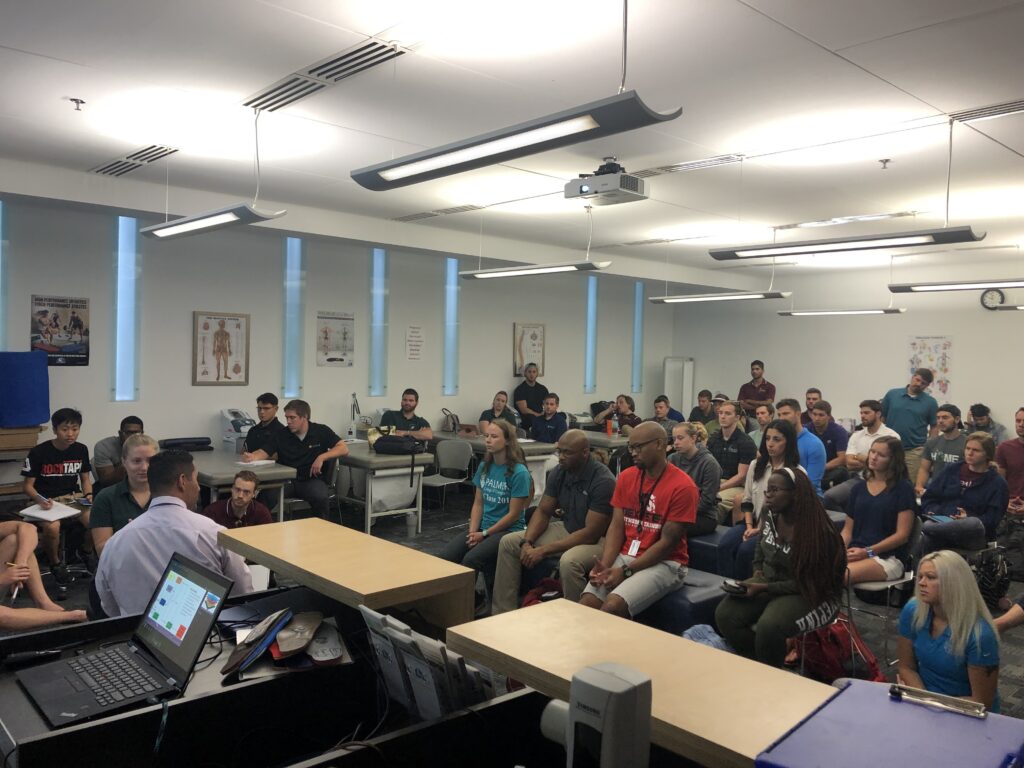
Limited enrollment ensures intensive instruction, personalized guidance, and a cohort of
committed practitioners who share your dedication to clinical excellence. Upon
completion, you will possess knowledge and skills that place you among the most
neurologically sophisticated manual therapists in clinical practice.
The transformation begins here. The nervous system is waiting.
25
Contact Hours
Intensive instruction and clinical application
6
Core Topics
From neurophysiology to clinical integration
100+
Clinical Applications
Immediately usable assessment and treatment
strategies