


Master the Brain-Centric Approach to Chronic Pain

Transform chronic pain into a clear, treatable neurological pattern. This module teaches you to decode pain as a measurable, modifiable output of the nervous system and apply targeted interventions that create rapid, lasting change

September 19-19, 2026 (Gothenburg, Sweden)

A Unified System for Chronic Pain Resolution

Unlock the secrets of chronic pain with the revolutionary course from the creators of the Pain Reset program! This isn’t just another training; it’s a transformative journey that fuses cutting-edge functional neurology, sensory-motor integration, and neuroplasticity-driven manual therapies into a seamless, repeatable system.

Imagine being able to pinpoint the true drivers of persistent pain and apply low-tech, high-impact strategies that deliver immediate, tangible results! This is the game-changing approach that clinicians have been eagerly anticipating—where precision neurology meets practical application. 

Elevate your practice, empower your patients, and redefine pain management. Join us and be a part of the future of chronic pain therapy. Your journey to mastery starts here! drivers of persistent pain and apply low-tech, high-solution strategies that immediately elevate outcomes.

This is the modern chronic pain model clinicians have been waiting for—precision neurology meets practical application.


What You'll Master
  • Functional neurology framework
  • Sensory-motor integration
  • Neuroplasticity-driven therapies
  • Repeatable clinical systems

Three Core Module Objectives

Precision Neurology for Pain

See the patterns, find the driver. Learn to identify sensory mismatch, cortical disorganization, autonomic dysregulation, and nociceptive amplification—the four core contributors to chronic pain.

Clinical Integration

Turn pain presentations into actionable pathways. Use a structured, brain-based framework to evaluate and treat chronic pain conditions with clarity and confidence.

Practical Application

Assessment meets intervention.
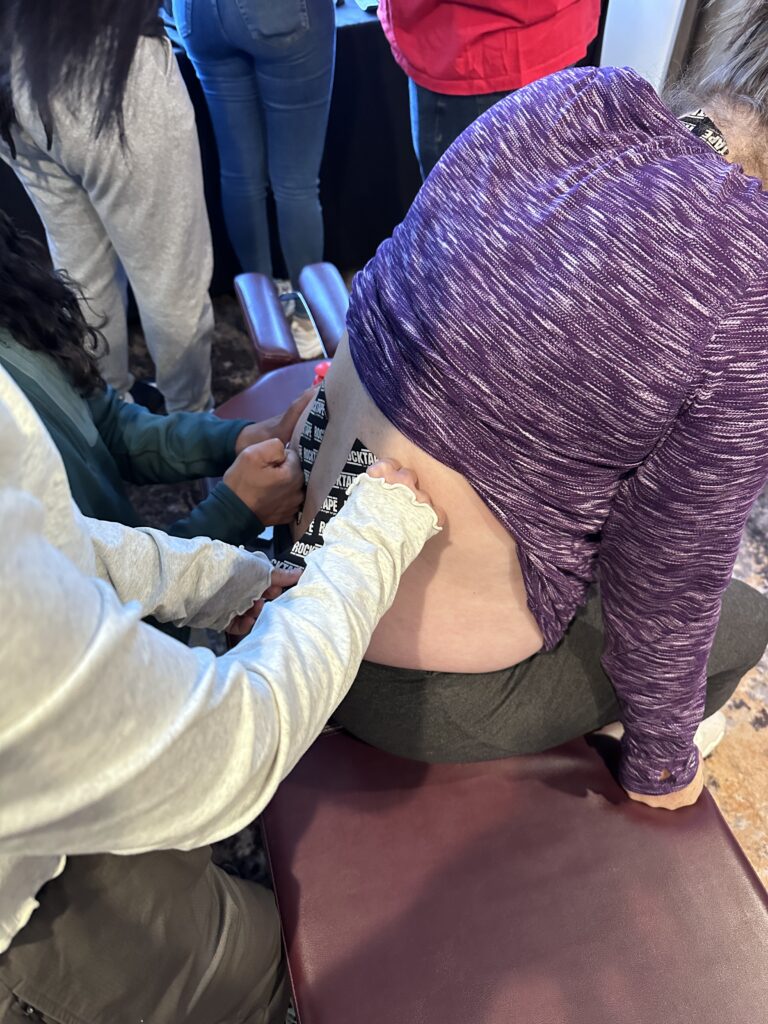
Apply low-tech, high-impact manual therapies, sensory recalibration drills, and functional neurology techniques that create immediate clinical change.

Five Core Learning Outcomes

01

Brain-Based Pain Localization

Map chronic pain to specific neural networks, including somatosensory cortex, cerebellum, vestibular pathways, and autonomic circuits.

02

Sensory Mismatch Identification

Recognize the subtle sensory -motor distortions that drive persistent pain—and learn how to correct them quickly

03

Autonomic & Limbic Integration

Understand how dysautonomia, threat perception, and cortical bias amplify pain—and how to down-regulate these systems effectively

04

Functional Neurology Applications

Implement the Pain Reset approach: sensory priming, cortical remapping, cerebellar recalibration, autonomic stabilization, and movement-based desensitization.

05

Case-Based Clinical Reasoning

Work through real-world chronic pain cases using a structured, repeatable decision-making model.

Comprehensive Curriculum

Foundational Assessment

  • Patient history & clinical features
  • Mental status evaluation
  • Cognitive screening protocols
  • Motor examination techniques
  • Reflex testing methodology

Advanced Testing

  • Sensory testing (spinothalamic & dorsal column pathways)
  • Cranial nerve examination
  • Cerebellar function assessment
  • Vestibular & balance testing
  • Autonomic evaluation

Pathology Recognition

  • Metabolic & ionic disorders
  • Neuromuscular conditions
  • Peripheral nerve lesions
  • Spinal cord pathologies
  • Brainstem dysfunction

Program Format & Details

1

Foundational Concepts

The neurophysiology of chronic pain involves brain-generated pain, sensory mismatch, cortical disorganization, autonomic imbalance, and threat physiology, along with principles of functional neurology for pain modulation.

2

Assessment Framework

Sensory discrimination testing, proprioceptive and cerebellar evaluation, autonomic screening (HRV, orthostatic patterns, vagal tone), oculomotor and vestibular contributions to chronic pain, movement pattern analysis

3

Intervention Strategies

Pain Reset manual therapy applications, sensory recalibration drills, cerebellar activation protocols, autonomic down-regulation techniques, neuroplasticity-driven movement retraining.

4

Condition-Specific Applications

Chronic low back pain, neck pain and cervicogenic headache, shoulder and hip pain, post-concussion pain syndromes, fibromyalgia-type presentations, persistent post-injury pain.

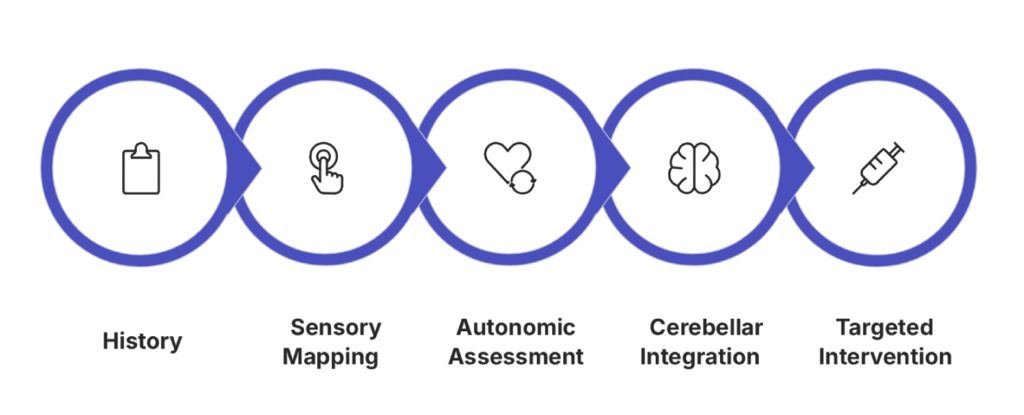
Systematic Examination Framework

This structured approach guides you from initial patient presentation through targeted intervention, ensuring comprehensive assessment and effective treatment planning for every chronic pain case.

The Intervention Hierarchy

Four-Step Treatment Sequence

1

Reduce Threat

Down-regulate autonomic and limbic activation.

2

Reorganize Sensory Input

Correct sensory mismatch and cortical disorganization.

3

Rebuild Motor Output

Restore functional movement patterns.

4

Reinforce with Movement

Integrate neuroplasticity-driven training.

Clinical Applications & Pain Pattern Recognition

Sensory-Motor Mismatch

Identify and correct the sensory distortions that maintain chronic pain through targeted recalibration.

Autonomic Dysregulation

Recognize sympathetic dominance, vagal insufficiency, and orthostatic intolerance—and apply corrective strategies.

Cortical Disorganization

Learn how chronic pain alters somatosensory maps and how to restore clarity through targeted drills.

Movement-Driven Pain

Differentiate between nociceptive, neurogenic, and sensorimotor-driven pain patterns for precise treatment

Program Details

Who Should Attend

Register for Module 2 Today

Join us in Gothenburg for a transformative three-day experience that will redefine how you understand and treat chronic pain. Master the brain-centric model. Elevate your outcomes. Empower your patients with real, lasting change.

Limited Seats Available — Secure your spot now for this immersive, hands-on training experience.